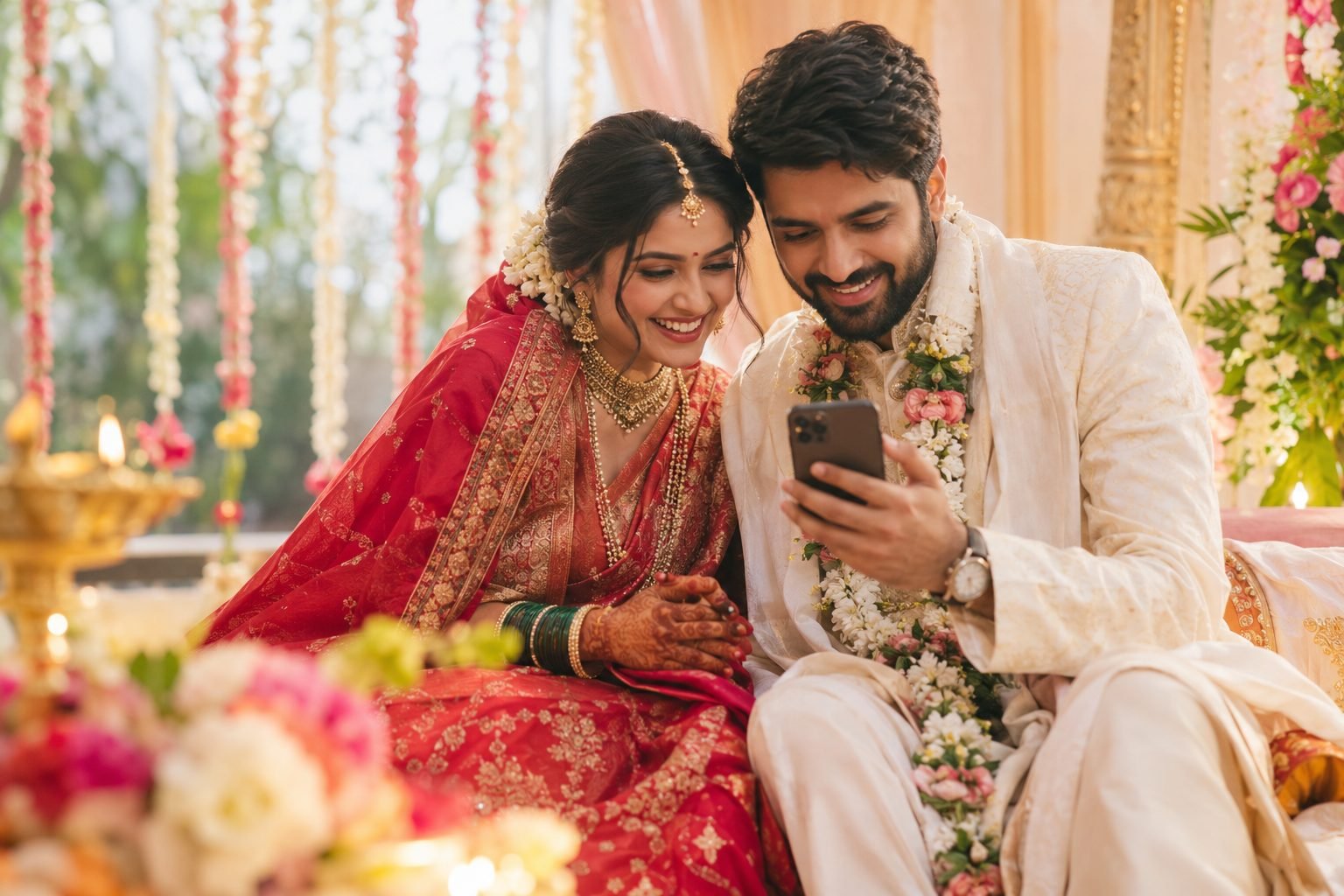
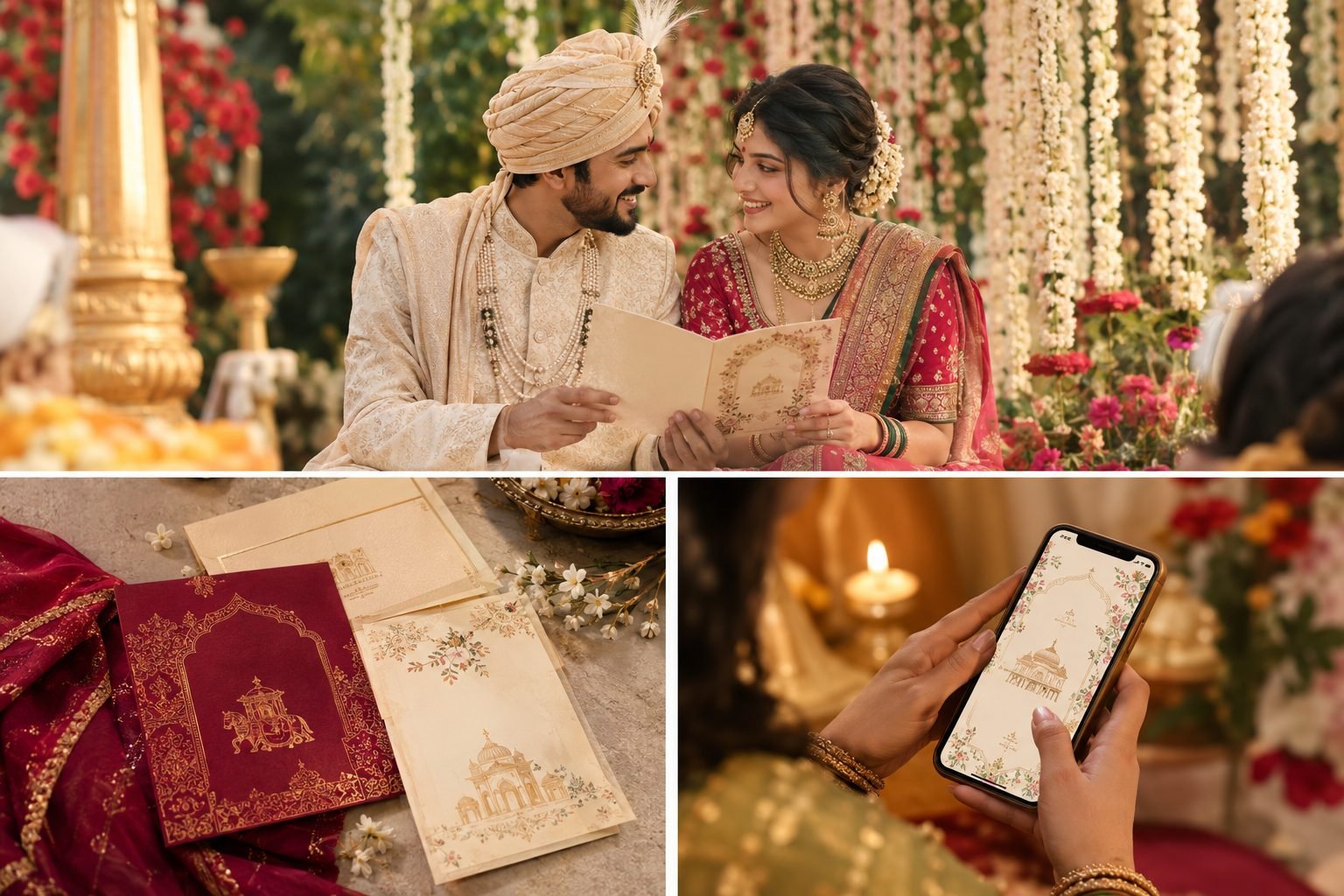
A royal wedding look does not have to come with a royal-sized bill. For Indian couples planning a celebration with traditional details, rich colours and a graceful sense of occasion, the invitation is a lovely place to set the mood without overspending. The most memorable Royal Indian Wedding Invitation Designs on a Budget combine a few thoughtful details—perhaps a heritage-inspired border, a jewel-toned accent or a delicate floral motif—instead of adding expensive embellishments everywhere.
Your invitation is often a guest’s first glimpse of the celebration. It can hint at a palace-inspired theme, a traditional ceremony or a contemporary wedding with Indian roots. With a clear design direction and a practical plan for printing or sharing digitally, you can create an invitation that feels personal, polished and inviting while keeping costs in view.
How to Create Royal Indian Wedding Invitation Designs on a Budget
Begin by deciding what “royal” means for your wedding. It may mean the deep red and gold associated with classic Indian celebrations, the quiet elegance of ivory and antique gold, or the colour and craftsmanship of a regional tradition. Choosing one clear direction helps you avoid paying for several competing design elements.
Choose a focused colour palette
Two main colours and one accent are often enough to create a cohesive look. Consider these combinations:
- Maroon and antique gold: traditional, warm and well suited to a heritage-inspired celebration.
- Ivory and muted gold: understated and elegant, especially for minimal layouts.
- Emerald green and champagne: rich without relying on a large amount of metallic detailing.
- Dusty rose and cream: soft and romantic for a modern take on royal styling.
Use the richest shade for a border, heading area or small decorative detail rather than covering every part of the card. A restrained palette creates visual balance and can also make it easier to coordinate the invitation with your wedding stationery.
Use motifs with meaning
Indian wedding design offers many motifs that feel timeless: arches inspired by palace architecture, jaali patterns, lotus flowers, mango leaves, paisleys, mandalas, peacocks and traditional floral borders. Pick one or two that relate to your theme or family traditions. A clean arch outline or a fine paisley border can have more impact than a page crowded with several unrelated illustrations.
Typography matters just as much. Pair one decorative font for the couple’s names with a highly readable font for dates, venue details and ceremony timings. The invitation should feel ceremonial, but guests should not have to zoom in or struggle to read essential information.
Royal Details That Look Luxurious Without Costly Extras
Luxury often comes from proportion, spacing and finishing—not from adding every available embellishment. Leave enough open space around the names and event details, keep borders consistent, and make sure the decorative elements support the information instead of competing with it.
Let one detail take centre stage
Choose a hero element, such as a palace arch, a subtle mandala, a floral crest or a small illustration inspired by your ceremony. Give it room to stand out. If the artwork is intricate, simplify the background and keep the rest of the layout quiet. If the background has a rich pattern, use less decoration around the text.
Metallic effects can be suggested through colour and fine linework in the design. If you are printing, ask the printer to explain the difference between a printed gold colour and a special metallic finish, including any setup costs. A simple printed effect may suit your budget better than foil, raised lettering or multiple layers, while still giving you the look you want.
Paper and finishing should be chosen after you know the quantity and the final artwork. A heavier stock may feel substantial, but it is worth comparing samples rather than selecting paper based on appearance on a screen. You can reserve a more elaborate finish for a small number of keepsake invitations and use a simpler version for the wider guest list.
Printed, Digital or Hybrid Invitations: What Makes Sense?
The format affects both the experience and the overall budget. There is no single right choice for every Indian wedding: guest preferences, family expectations, delivery locations and the number of events all matter.
Printed invitations for a keepsake experience
Printed cards can feel special for close family, elders and guests who appreciate a physical invitation. To manage spending, keep the card size practical, avoid unnecessary inserts, and confirm the final guest count before ordering. Ask for a written quote that separates design, paper, printing, special finishes, envelopes, packaging and delivery. That makes it easier to see which choices are raising the total.
Before approving a full print run, request a proof and check every name, spelling, date, time, venue address and RSVP detail. A small correction is easier to make before printing than after hundreds of copies have been produced. Also ask about minimum order quantities and the cost of reprints in case your guest list changes.
Digital invitations for flexible sharing
A digital invitation can carry the same royal design language through a shareable image, a multi-screen invitation or a short animated sequence. It is convenient for guests in different cities or countries and makes it easier to send updates if a schedule changes. A digital format can also reduce the need for printing and physical delivery, though the final cost depends on the artwork, animation and any custom work you choose.
Keep the mobile experience simple. Make names and event details easy to read on a phone, give each ceremony a clear time and location, and include a contact for questions. Avoid putting essential information only inside a decorative animation that guests may skip or be unable to open.
Consider a hybrid approach
Some families prefer both formats. You could prepare a limited printed batch for close relatives and aunts, uncles or family friends who value keepsakes, then share the matching digital version with the wider guest list. This keeps the visual identity consistent while allowing you to choose the format that works best for different guests.
Smart Ways to Keep Your Invitation Budget Under Control
A budget-friendly invitation starts with a few decisions made early. Before comparing designs, set a total amount you are comfortable spending and decide what that amount needs to cover: artwork, printing, envelopes, packaging, delivery, digital versions and possible revisions. Treat the number as a planning guide rather than a reason to compromise on important details.
- Confirm the guest list first. Count households and invitations, not just individual guests, and keep a small allowance for last-minute additions.
- Limit the number of inserts. Combine event details thoughtfully when it keeps the information clear, or use a separate digital schedule for extra details.
- Reuse a consistent design system. Carry the same palette, motif and typography across ceremony cards, digital reminders and signage where needed.
- Compare complete quotes. Ask what is included, how many revisions are allowed, when payment is due, and whether delivery or taxes are extra.
- Proofread with another person. Ask a family member to check spellings, dates, relationships and venue details before final approval.
- Prioritise what guests notice. Clear information, thoughtful wording and a coherent design usually matter more than a long list of decorative add-ons.
Be cautious about making decisions from a sample image alone. Screen colours can differ from printed colours, paper texture may not be visible online, and a quoted starting price may not include every finishing or delivery charge. Ask questions, compare like with like and keep the agreed specifications in writing.
Personalise the Invitation Without Losing the Royal Feel
A royal-inspired invitation should still feel like your wedding, not a generic palace theme. Add one meaningful personal touch: a motif from your regional traditions, an illustration inspired by your venue, a family phrase, or a small detail that reflects how you met. Personalisation works best when it adds a story rather than extra clutter.
For a traditional ceremony, you might choose a border inspired by local art, a lotus or mango-leaf motif, or a colour pairing that echoes the wedding attire. For a modern celebration, you could keep the layout minimal and use a single heritage-inspired detail. If the wedding includes multiple functions, give each event its own clear label while retaining the same colours and typography so the invitation feels like one complete suite.
Think carefully about wording, too. Use the names and family details the couple wants to include, write dates and timings unambiguously, and make the venue easy to find. If guests are travelling, include useful directions or a location link in the digital version rather than squeezing every detail onto a printed card. Respect family preferences while making the invitation welcoming and easy for every guest to understand.
A Royal Look Begins With Thoughtful Choices
The secret to Royal Indian Wedding Invitation Designs on a Budget is not to imitate every detail of an extravagant suite. It is to choose a few meaningful elements and execute them well. A balanced palette, a distinctive motif, legible typography and careful proofreading can create a sense of occasion without unnecessary extras.
Start with the mood you want guests to feel, decide whether printed, digital or hybrid invitations suit your guest list, and request clear quotes before approving the final design. Above all, let the invitation reflect the people and traditions behind the celebration. When every detail has a purpose, a budget-conscious invitation can still feel gracious, royal and memorable.